
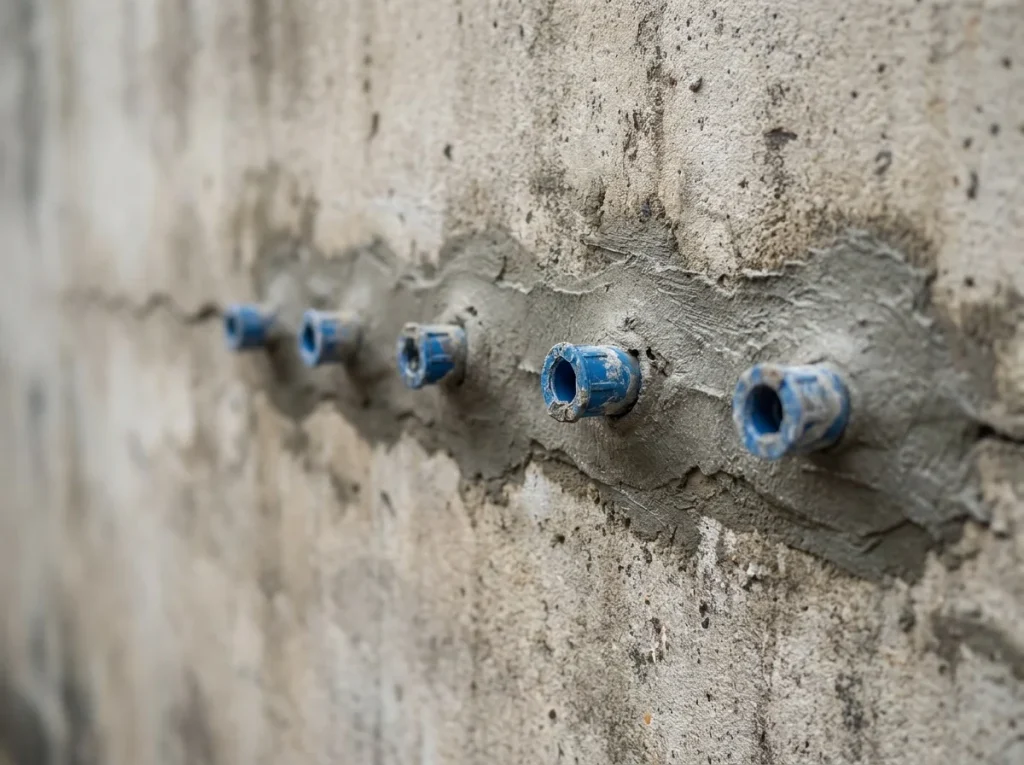
A foundation crack can be repaired permanently, but only if the repair addresses two separate problems: the crack itself and whatever caused it. In Phoenix and across the Valley, expansive clay soil swells and shrinks with every monsoon and dry spell, which is why so many “permanent” crack fillers fail within a year or two. We start by identifying the cause before choosing a repair method, because sealing a crack over ongoing soil movement is a temporary fix wearing a permanent label.
The honest answer — yes, if you fix the cause too
Crack injection technology genuinely works. Epoxy and polyurethane resins bond to concrete at a molecular level and, in the right conditions, seal a crack for the life of the structure. The catch is that the crack is a symptom, not the disease. If soil movement, water intrusion, or corroding rebar is still pushing on your foundation, a new crack — or a reopened old one — is only a matter of time.
That’s the distinction worth understanding before you hire anyone: a crack repair stops water and pests and restores the concrete’s structural bond. A permanent fix also stabilizes whatever is moving the concrete in the first place. A qualified foundation inspection is how you tell the difference between the two before money changes hands.
Crack repair methods
Which method belongs in a crack depends on whether the crack is structural or cosmetic, and whether it’s still moving. Here’s how the three common approaches actually differ.
Epoxy injection (structural)
Epoxy is a rigid, high-strength resin injected under pressure into the crack, where it cures to a bond that’s often stronger than the surrounding concrete. Because it’s rigid, epoxy is the right call on structural cracks in stem walls or footings where the goal is to re-fuse the concrete into one solid piece again — not to allow any future flex. Epoxy is not designed to stop water; it’s designed to restore strength.
Polyurethane injection (flexible/waterproofing)
Polyurethane cures into a flexible, expanding foam that chases water through hairline voids and seals them, and it can accommodate minor, ongoing movement without cracking again. That flexibility makes it the better choice for cracks that are primarily letting in moisture — a common issue on Phoenix slabs and stem walls after a hard monsoon — rather than cracks that need load-bearing strength restored.
Stitching and carbon fiber reinforcement
Wider or more serious cracks — particularly horizontal or stair-step cracks, or anything growing beyond roughly 1/8″ to 1/4″ — often need mechanical reinforcement in addition to injection. Crack stitching ties the two sides of the crack together with reinforcing staples, while carbon fiber reinforcement bonds high-tensile straps across the wall to resist further bowing or spreading. These methods don’t replace injection; they add structural insurance on top of it when the crack is doing more than just letting in water.
Why cracks come back (ignoring the cause)
Most “the repair failed” complaints trace back to the same root issue: nothing was done to stop the movement that created the crack. Common causes in Arizona foundations include:
- Expansive soil that swells when monsoon rains soak it and shrinks again in the dry season, flexing the foundation with every cycle.
- Poor drainage or irrigation concentrating water against one section of footing while the rest of the slab stays dry.
- Corroding rebar inside the concrete, which expands as it rusts and cracks the concrete from the inside out — an injection on the surface does nothing to stop this.
- Ongoing settlement from soil compaction or poor original compaction under the footing.
Fill a crack over any of these without addressing the source, and the resin holds until the next big soil movement finds the weakest point — often the exact same crack, or one nearby.
A crack that keeps reappearing isn’t a failed repair — it’s a repair that only ever treated the symptom. Fix the cause first, and the injection actually gets to be permanent.
Active vs. dormant — which repair fits
Before choosing a method, a contractor needs to know whether a crack is still moving. A dormant crack — stable, not widening, tied to old curing shrinkage or a one-time settlement event that has since stopped — is a good candidate for straightforward epoxy or polyurethane injection, since there’s no ongoing force working against the seal.
Get Your Foundation Looked At
A quick inspection tells you what is really going on beneath the surface — and we will send a written estimate.
→ Request a Written EstimateAn active crack — one that’s visibly growing, reopening after a prior repair, or tied to soil or settlement movement that hasn’t been addressed — needs the cause diagnosed and stabilized first. That might mean grading and drainage corrections, moisture management, or reinforcement like carbon fiber before or alongside injection. Injecting an active crack without addressing the cause is the single most common reason a “permanent” repair doesn’t last.
This is also the split between hairline cosmetic cracking, which is normal in curing concrete and rarely a structural concern, and cracks serious enough to warrant a professional look. If you’re not sure which category yours falls into, a foundation crack repair evaluation will tell you before any product goes into the wall.
Frequently Asked Questions
Can a foundation crack be repaired permanently?
Yes — when the repair method matches the crack (epoxy for structural bonding, polyurethane for water intrusion, reinforcement for active movement) and the underlying cause of the crack is stabilized. A crack repair that skips the cause is rarely permanent, no matter how good the resin is.
Do foundation cracks come back after repair?
They can, and when they do, it’s almost always because the soil movement, drainage issue, or settlement that caused the original crack was never addressed. A properly diagnosed repair — one that treats the cause, not just the gap — has a much better chance of staying closed for good.
What’s the difference between epoxy and polyurethane crack injection?
Epoxy is rigid and built to restore structural strength, making it the choice for load-bearing cracks in walls and footings. Polyurethane is flexible and expands to chase and seal water intrusion, making it better suited to waterproofing cracks that don’t need structural reinforcement. Many jobs use one or the other based on what the crack actually needs — not a one-size-fits-all product.
Is crack injection a permanent fix?
It’s permanent for the crack itself when the crack is dormant and the cause isn’t still active. If soil movement, water, or corroding rebar is still working against the foundation, injection alone buys time rather than closing the book — which is why an honest evaluation looks past the crack to what’s actually moving.
When do you need carbon fiber instead of injection?
When the crack is wide, horizontal, stair-stepped, or actively growing — signs the wall is under real structural stress rather than just weeping water. In those cases, injection alone won’t stop the wall from continuing to bow or spread, and reinforcement like carbon fiber is added to hold the wall in place while the crack itself gets sealed.
Not sure which category your crack falls into? A foundation inspection will diagnose the cause, not just the symptom, before recommending a fix. Book an inspection and get a written estimate for a repair built to last.